
Loading...
Serving Diamond Bar, CA and surrounding areas. (909) 760-1236
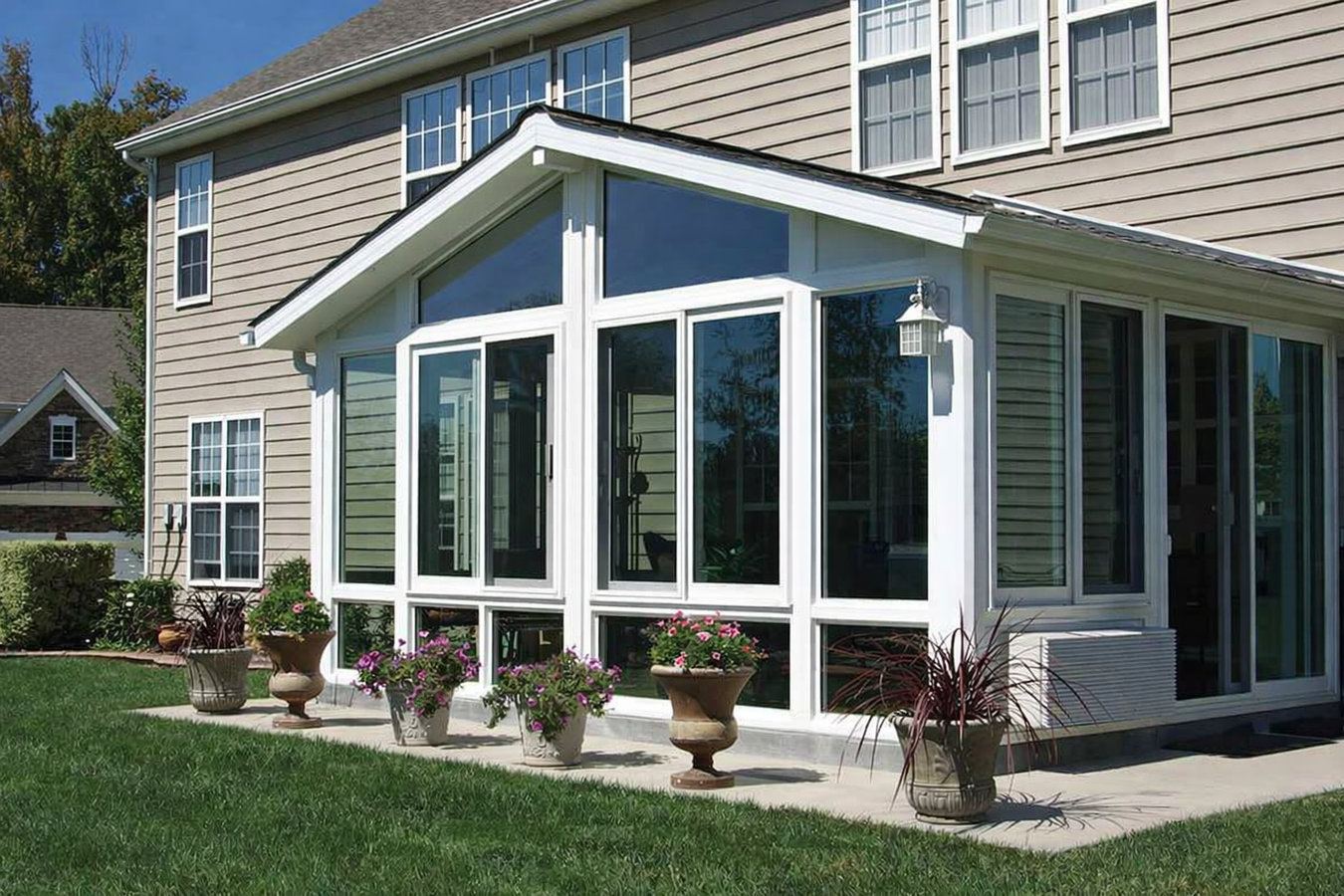
Diamond Bar Sunrooms & Patios builds custom sunrooms, patio enclosures, and all season rooms for Glendora homeowners, from the flat neighborhoods near Glendora Village to the hillside streets that back up to the Angeles National Forest. We have served the eastern San Gabriel Valley since 2017 and pull all permits through the City of Glendora Community Development Department.
Glendora homes vary considerably from lot to lot, especially between the flat southern neighborhoods and the irregular hillside properties near the mountains. A custom sunroom designed for your specific footprint - accounting for your slope, setbacks, and existing roofline - fits better and performs better than a prefabricated kit designed for flat, standard lots. For Glendora homeowners with high-value properties, a custom build also holds its investment value better than a generic add-on.
Glendora summers push temperatures into the mid-90s and beyond, and the foothill location means Santa Ana winds arrive in force every fall. An all season room with insulated panels and dual-pane low-E glass stands up to both ends of that range while keeping the interior comfortable year-round. For homeowners near the national forest who face wildfire smoke and ash each fire season, a fully enclosed room also keeps that debris out of your living space.
Many of Glendora's postwar ranch homes have original covered patios with sound slabs and solid roof structures that were simply never enclosed. If that foundation is still in good condition, converting it into a glazed enclosure is one of the most efficient ways to add a usable room. We evaluate every existing patio slab for clay-soil settlement and level changes before recommending an enclosure approach.
Glendora has one of the higher owner-occupancy rates in the San Gabriel Valley, and homeowners here tend to stay put for decades. A sunroom addition is one of the best investments a long-term homeowner can make - it adds livable square footage without relocating. The city's high median home value also means a well-built addition returns a meaningful portion of its cost when the property eventually sells.
Glendora's foothill neighborhoods can experience frost on cold January nights while the summer sun bakes the same backyard into the upper 90s. A four season sunroom designed for this temperature range uses insulated roof panels, thermally broken frames, and low-E glass to maintain a comfortable interior without running the HVAC constantly. It is the right choice for Glendora homeowners who want a room that works on both the hottest and coldest days of the year.
For Glendora backyards that get full afternoon sun, an insulated solid patio cover is the first step toward usable outdoor space from May through October. The San Gabriel Valley heat arrives early and stays late, and without overhead cover most Glendora patios are only comfortable in the morning. A solid cover also reduces UV exposure to existing concrete and protects outdoor furniture, extending the life of everything underneath it.
Glendora sits at the foot of the San Gabriel Mountains, and that position shapes nearly everything about how homes here age and how additions need to be built. Most of the city's housing stock dates from the 1950s through the 1980s - a large share of which are single-story stucco ranch homes on concrete slabs. Those slabs have spent 40 to 70 years on the clay-heavy soils of the eastern San Gabriel Valley, expanding in winter rains and contracting in summer heat. A contractor who has not worked on Glendora homes regularly may not catch the subtle settlement or tilt in an existing patio slab that will cause problems if a sunroom is framed directly on top of it. We check slab and drainage conditions at every free site visit.
The two-zone geography of Glendora also matters for building. Homes in the southern and central neighborhoods near downtown sit on relatively flat lots with standard setbacks and grid-style streets. Homes in northern Glendora - closer to the Angeles National Forest - are on steeper, more irregular terrain. These lots require different foundation approaches, different drainage planning, and contractors who understand how water moves across sloped ground in a wet winter. Wildfire risk is also real in the northern areas: the CAL FIRE fire hazard severity zone maps include portions of northern Glendora, and material choices for any addition in those areas should account for ember resistance and smoke infiltration.
Our crew works throughout Glendora regularly, pulling permits through the City of Glendora Community Development Department and working on the range of ranch homes, hillside properties, and postwar tract houses that make up the city's residential neighborhoods. We understand the difference between a flat south-Glendora lot and a sloped foothill property - they require different foundation approaches and different drainage planning from the start.
Glendora is served by the 210 Freeway and sits roughly 25 miles east of downtown Los Angeles in the eastern San Gabriel Valley. Glendora Village, the historic downtown district along Glendora Avenue, is one of the better-preserved commercial cores in this part of the valley. Citrus College, which has been in Glendora since 1915, anchors the central part of the city. The northern edge of the city borders the Angeles National Forest, and the mountains are visible from nearly every street in town - homeowners in those northern neighborhoods face the most variable terrain and the highest wildfire exposure of any area we serve.
We also serve nearby Azusa and Covina, both of which share similar postwar housing stock and clay-soil conditions with Glendora. If you are trying to get a sense of timelines or costs for a project, our work in those neighboring cities gives you a direct point of comparison.
Reach out by phone or through the contact form, and we respond within one business day. We will ask a few basic questions about your home's location in Glendora - flat lot or hillside, existing patio or starting from scratch - to make sure we book the right amount of time for the site visit.
We visit your property in Glendora, measure the space, and evaluate the existing slab, drainage, and slope conditions. This is when we talk through your options and pricing - no pressure to commit, and no fees for the visit. For hillside lots in northern Glendora, we assess whether additional foundation or grading work is needed before providing the written estimate.
Once you approve the estimate, we prepare and submit drawings to the City of Glendora Community Development Department. City plan review typically takes two to four weeks. We track the permit status and notify you as soon as approval comes through - you do not need to follow up with the city yourself.
Construction typically takes three to six weeks once the permit is issued, depending on scope and whether foundation prep is needed. At completion, we do a full walkthrough with you to confirm every detail is right before we close out the permit with the city inspector. You will have a finished room with a clean inspection record.
We serve all of Glendora - from the flat neighborhoods near Glendora Village to the hillside streets near the forest. Free estimates, no pressure, and we handle every permit with the City of Glendora.
(909) 760-1236Glendora is a city of about 52,000 people at the foot of the San Gabriel Mountains in the eastern San Gabriel Valley. The city has a well-deserved reputation as one of the more desirable communities in the region - roughly 65% of housing units are owner-occupied, and median home values exceed $700,000. Most of the residential neighborhoods were built between the 1950s and 1980s, resulting in a housing stock that is predominantly single-story stucco ranch homes on modest to medium-sized lots. The northern neighborhoods, closer to the mountains and the Angeles National Forest, sit on larger and more irregular terrain. The southern and central neighborhoods near Glendora Village and Citrus College have a more classic flat suburban layout with grid-style streets.
Glendora Village - the historic downtown district along Glendora Avenue - is the community anchor that most residents know best, with its local shops, restaurants, and tree-lined streets. The city borders Azusa to the east and San Dimas to the west, and is well-connected to the rest of the San Gabriel Valley via the 210 Freeway. Homeowners looking for sunroom work in nearby communities can also visit our pages for Azusa and Covina, both directly adjacent communities with similar housing ages and property types.
We serve all of Glendora, from the flat neighborhoods near Citrus College to the hillside streets near the Angeles National Forest. Call now or submit the form and we will respond within one business day.