
Loading...
Serving Diamond Bar, CA and surrounding areas. (909) 760-1236
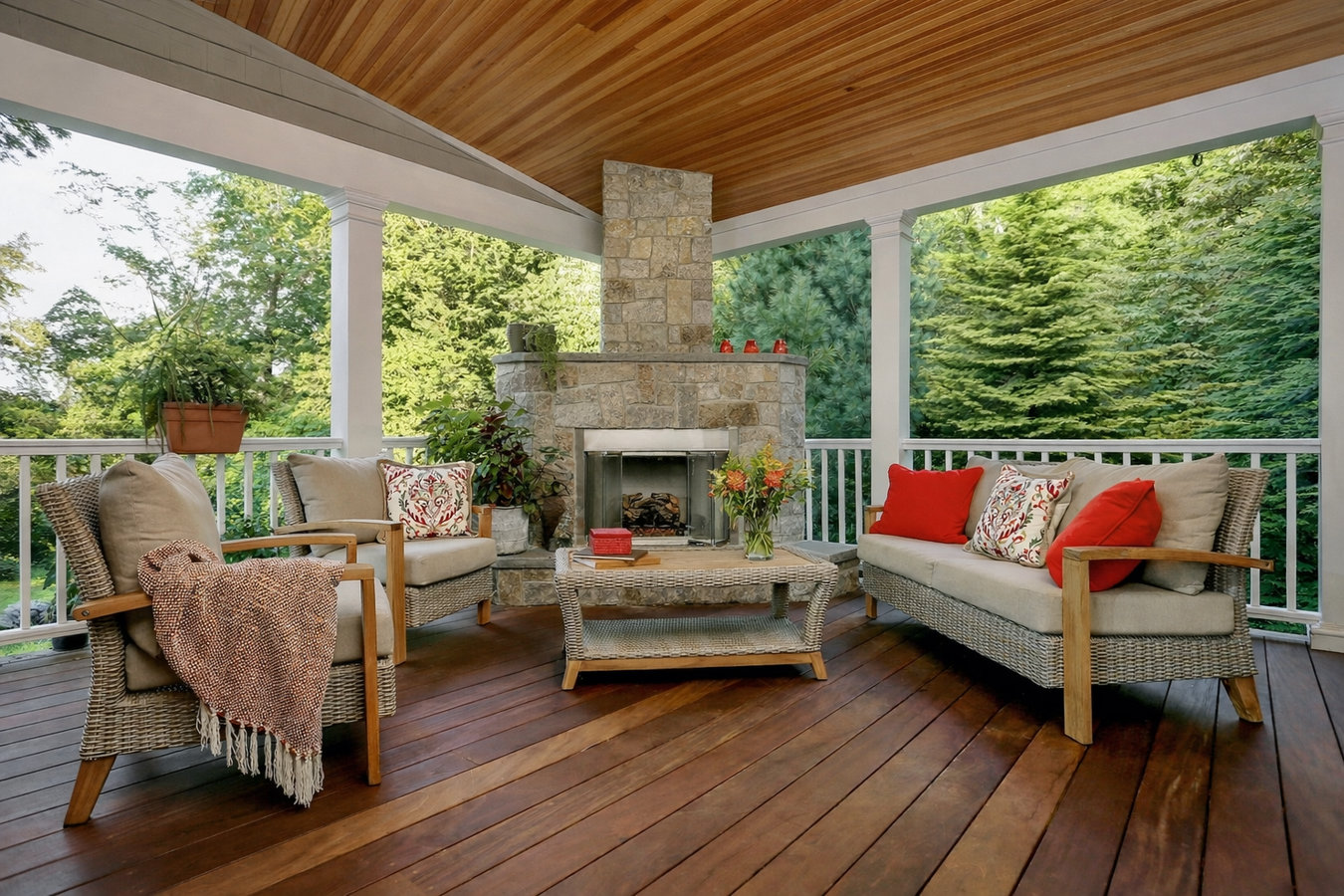
Diamond Bar Sunrooms & Patios builds four season sunrooms, patio enclosures, and sunroom additions for Covina homeowners. We work on the ranch-style and postwar tract homes that define most of Covina, and we pull all required permits through the City of Covina Community Development Department. Serving the San Gabriel Valley since 2017.
Covina temperatures swing from the mid-90s and above in summer to occasional below-freezing nights in January. A four season sunroom with insulated panels and dual-pane low-E glass handles both ends of that range, giving you a room you can actually use in July and in December without fighting your HVAC system. On the ranch homes that make up most of Covina, this addition connects naturally to the back of the house and adds living space that fits the existing floor plan.
Many Covina homes from the postwar decades have covered patios that were framed decades ago and have never been enclosed. If the slab and existing roof structure are still sound, enclosing with glazed panels is one of the most cost-effective improvements you can make - turning an underused outdoor space into a weather-protected room. It also keeps wildfire ash and wind debris, which affect the San Gabriel Valley every fall, out of your living space.
Covina's postwar ranch homes were built efficiently, and most have compact floor plans that feel tight once a family grows or remote work becomes a daily reality. A sunroom addition extends the back of the house into the yard, adding a dedicated room without the cost of a full structural renovation. We work with the older framing and foundation styles common in Covina to make sure the addition ties in correctly from the start.
Covina's mild winters mean a three season sunroom - open to breezes but sheltered from sun and rain - is comfortable for most of the year. If you want additional outdoor living space without the cost of full insulation and climate control, a three season design gives you a screened, weatherproof room that works well from fall through spring. The hot months of July and August are the main exception, which is why many Covina homeowners eventually upgrade to a four season build.
Covina's older neighborhoods have large, mature trees - many planted decades ago as the citrus groves gave way to residential streets. Those trees bring shade but also leaf litter, insects, and seasonal debris. A screen room lets you enjoy the backyard without dealing with what blows in, and it works well on the older Covina lots where a full enclosure would feel too heavy for the property size.
Covina summers are relentless - the city sits far enough from the coast that it gets little marine cooling, and backyards without shade become unusable for months. A solid insulated patio cover creates usable outdoor space from May through October and can be built on Covina's typical rear-yard setbacks without requiring a variance. It is also the first step for homeowners who want to eventually convert the space into a fully enclosed sunroom.
Most of Covina was built between the 1940s and 1970s, when the San Gabriel Valley was rapidly developed for returning veterans and growing families. Those homes are now 50 to 80 years old. Original slab foundations have been through decades of seasonal expansion and contraction driven by the area's clay-heavy soil, and original concrete flatwork - driveways, walkways, and patios - often shows the results. Contractors who have not worked on homes this age regularly may not recognize that a cracked or tilted patio slab needs to be addressed before a sunroom is framed on top of it. We inspect the existing slab and foundation conditions during every free site visit, not after materials are already on the job.
Covina's climate also drives real demand for enclosed outdoor living space. The city sits in the eastern San Gabriel Valley, where summer heat regularly reaches the mid-90s and above, with limited coastal cooling. The National Weather Service Los Angeles regularly issues excessive heat warnings that include the Covina area. At those temperatures, an unshaded or poorly glazed sunroom becomes uncomfortable quickly. Insulated roof panels and low-E dual-pane glass are not optional upgrades in this climate - they are what make the space actually usable.
Our crew works throughout Covina regularly, pulling permits through the City of Covina Community Development Department and working on the ranch-style and postwar tract homes that make up the majority of this city's residential neighborhoods. We know what Covina's housing stock looks like from the inside - the slab foundations, the original stucco, the older framing - and we build additions that work with those conditions rather than against them.
Covina sits in the eastern San Gabriel Valley along the 10 Freeway corridor, roughly 22 miles east of downtown Los Angeles. The city is bordered by West Covina to the west, Glendora to the north and east, and Azusa to the northeast. Older residential streets near downtown Covina, particularly those close to Citrus Avenue and the historic downtown core, have the city's largest lots and most established trees. The newer streets on the northern and eastern edges of the city have smaller lots but often have newer concrete and less root intrusion to work around.
We also serve homeowners in nearby Glendora, which sits just north and east of Covina and shares the same foothill climate. If you are closer to West Covina, we cover that area too - including the neighborhoods along Garvey and Workman avenues that border Covina.
We respond to all Covina inquiries within one business day. Tell us what you are thinking - a rough size, which part of the yard, and whether you have an existing covered patio we might work with.
We come to your Covina home, measure the space, check the existing slab and foundation conditions, and walk you through material options. You get a written itemized estimate at the end of the visit - no pressure, no obligation.
We handle permit applications with the City of Covina and coordinate the inspection schedule. Once the permit is approved, we give you a confirmed start date. You do not need to follow up with the city yourself.
Most Covina sunroom and patio enclosure projects wrap up within two to five weeks of the permit being issued. We do a final walkthrough with you at completion and confirm the project passed all city inspections before we close out.
We serve all of Covina and respond within one business day. Free estimates, no obligation.
(909) 760-1236Covina is a city of about 48,000 residents in the eastern San Gabriel Valley, roughly 22 miles east of downtown Los Angeles. It grew rapidly after World War II, when the region's citrus groves were converted to residential tracts that housed returning veterans and their families. The city's name is said to derive from the word referring to a sheltered, cove-like valley suited for growing - and older streets still reflect that history in their wide lots and mature trees. Neighborhoods near the historic downtown on Citrus Avenue are among the most established in the city, while streets on the northern edges near the 210 Freeway have a more recent character. For more background on the community, the Wikipedia entry for Covina provides a solid overview of the city's history and neighborhoods.
The housing stock in Covina is predominantly single-family homes, with owner-occupied units making up roughly 55% of all residences. Most properties are ranch-style houses on modest lots, built between the 1940s and 1970s and now in the 50-to-80-year age range where exterior improvements and room additions become practical and valuable investments. Covina borders West Covina to the west and shares very similar building stock - the two cities developed together during the same postwar boom. To the northeast, Glendora has a similar foothill climate but somewhat newer housing on the hillside streets closer to the San Gabriel Mountains.
Spots fill up quickly in spring and summer. Contact us today and we will respond within one business day.