
Loading...
Serving Diamond Bar, CA and surrounding areas. (909) 760-1236
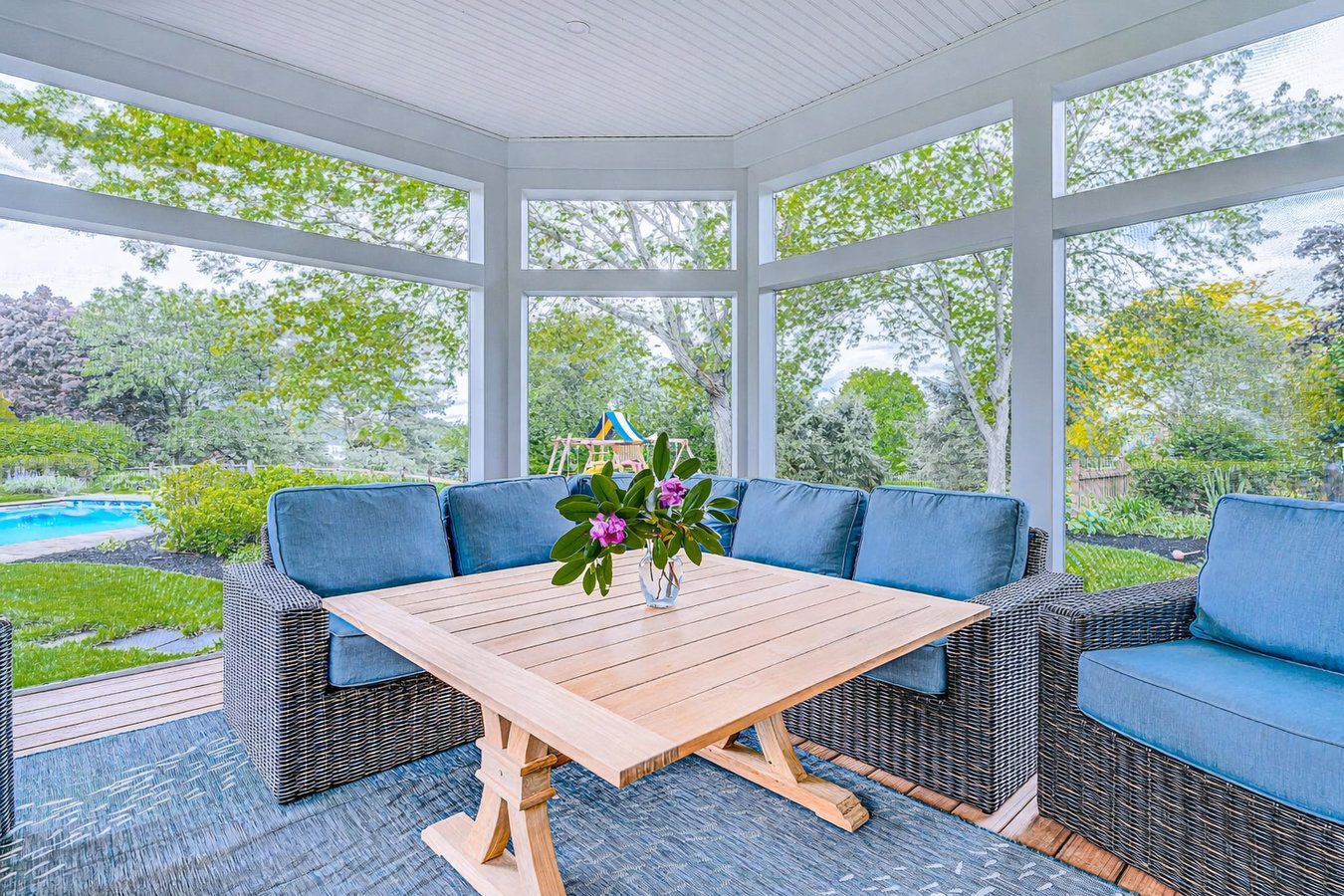
Diamond Bar Sunrooms & Patios builds sunroom additions, patio enclosures, and custom sunrooms for Diamond Bar homeowners. Licensed, locally owned, and serving this city since 2017.
Diamond Bar homes from the 1970s and 1980s were built for function, not for outdoor living. A sunroom addition gives you an enclosed, comfortable living space that connects to the rest of your home without a full room addition. It is one of the most practical ways to add square footage on a lot that already has a covered patio or flat concrete area.
Diamond Bar summers regularly hit the mid-90s and winter mornings can drop into the 40s. A four-season sunroom with insulated panels and low-E glass stays comfortable year-round without putting extra load on your HVAC system. This is the right choice if you want the space to function as a true living area rather than just a warm-season porch.
Many Diamond Bar homes have unusual lot configurations because of the hillside terrain. A custom sunroom lets us design around your specific slope, setback, and sightlines rather than forcing a standard kit to fit. If your yard does not match a catalog layout, custom design is the reliable path to a finished space that actually works.
If you have an existing covered patio, enclosing it is one of the most cost-effective ways to gain usable indoor space in Diamond Bar. We work with existing concrete slabs and roof structures to minimize demolition and keep costs in check while turning an open patio into a protected, year-round room.
Diamond Bar evenings in the spring and fall are ideal for outdoor living, but insects and debris from surrounding hillsides make a completely open patio less comfortable. A screen room gives you open-air ventilation and unobstructed views while keeping pests and windblown material out of your outdoor living space.
Older sunrooms in Diamond Bar often have single-pane glass, aluminum frames with no thermal break, and inadequate insulation - all of which make them unusable in the heat. Remodeling an existing structure with updated glazing, proper ventilation, and insulated panels gives you a room you will actually use instead of one you close off and avoid.
Most homes in Diamond Bar were built between the late 1960s and the late 1980s, during the city's rapid growth from cattle ranches into a planned residential community. At 40 to 60 years old, these homes were not designed with modern sunroom technology in mind. Foundation systems, roof structures, and exterior walls from that era need careful evaluation before any addition is framed. A contractor who has worked throughout Diamond Bar knows what to look for and how to connect new construction to older stucco and wood-frame homes without shortcuts.
The hillside terrain adds another layer of complexity. Many Diamond Bar properties sit on sloped or terraced lots where flat patio slabs are uncommon and retaining walls are part of the original grading. Clay soils throughout the eastern San Gabriel Valley expand and contract with the seasons, which puts stress on foundations, flatwork, and any structure attached to the main house. Building a sunroom on this kind of lot requires experience with footings, drainage, and how soil movement affects the long-term stability of the addition. According to the U.S. Geological Survey, expansive clay soils are among the most common causes of structural damage to residential buildings in Southern California foothill communities.
Our crew works throughout Diamond Bar regularly, pulling permits through the Diamond Bar Building and Safety Division and working on the hillside ranch and traditional homes that make up most of the city's housing stock. We are familiar with how the terrain changes from the flatter neighborhoods near the 60 freeway corridor to the steeper streets near Summitridge Park.
Diamond Bar sits at the meeting point of Los Angeles and San Bernardino counties, right along the 57 and 60 freeways. Residents on the east side of the city are practically neighbors with Walnut and the broader San Gabriel Valley communities. We regularly serve homeowners in Walnut as well, and the terrain and housing stock in both cities share many of the same characteristics - similar lot conditions, similar building ages, and the same clay-soil drainage concerns that affect any project attached to the ground here.
If your home is near Diamond Bar High School, off Grand Avenue near the Diamond Bar Center, or tucked into one of the hillside neighborhoods in the eastern part of the city, our crew has likely worked within a few streets of you. That familiarity means fewer surprises once the job begins and more accurate proposals before it does.
Reach us by phone or through the contact form and we respond within one business day. Tell us roughly what you have in mind and we will set up a free on-site visit at a time that works for you.
We visit your property, look at your yard and existing foundation, and ask about how you plan to use the space. There is no charge for this visit and no obligation to move forward. If your lot has a slope, we factor the grading into the estimate before you commit.
Once you approve the plan, we pull the required permits from the City of Diamond Bar. We handle all permit paperwork and schedule inspections so you do not have to track any of that yourself.
Construction proceeds on the schedule we gave you. We pass final inspection with the city and walk through the finished space with you before we consider the job done. Your yard is left clean and the work is complete before we move on.
We respond within one business day, there is no charge for the on-site visit, and there is no obligation to move forward. Diamond Bar homeowners have trusted us since 2017.
(909) 760-1236Diamond Bar is a city of about 55,000 people in eastern Los Angeles County, developed primarily between the late 1960s and the 1980s when cattle ranches were converted into planned residential neighborhoods. The city is built into the Pomona Valley foothills, which gives many neighborhoods elevated views and tree-lined streets, but also means lots are rarely flat. Single-family homes, most finished in stucco with attached garages, make up the large majority of the housing stock. With a homeownership rate of around 70 percent - well above the California average - most residents here are long-term owners with a genuine interest in maintaining and improving their properties.
Diamond Bar is home to landmarks well known to local residents, including Summitridge Park on the hilltops, the Diamond Bar Center community venue near Grand Avenue, and Diamond Bar High School, one of the top-ranked public high schools in California. The city borders Walnut to the south and sits close to Pomona to the north, with the 57 and 60 freeways running through the western edge of the city. For more information about city services and the local building department, see the City of Diamond Bar official website.
Spring and summer fill up fast. Call Diamond Bar Sunrooms & Patios now to hold your spot on the schedule.